Fueling Focus: Meal Prep for Neurodivergents
Cooking a meal can be exhausting. It starts at the planning stage, may involve shopping, preparing (chopping, slicing), and finally cooking. By the time the meal is ready, a neurodivergent person might be too tired to enjoy the fruits of their labour. One of the tools I use to combat this is meal prep. I prepare meals for several days and then I just need to reheat, eat, and get back to whatever I am doing. It helps me manage my nutrition, avoiding expensive meals by eating out. Meal prep has helped me lose quite a lot of weight over the past two years.
Autism Chow
I first heard the term "autism chow" in a video by Pat Loller on TikTok. His video referenced another one by Hazel Domain, also on TikTok. I immediately loved the idea of autism chow, proudly naming my next batch of chilli my first batch of autism chow. In my case, I call it 8+1 bean chilli . My kids and I challenge ourselves to add more bean types with each iteration. I also do butter chicken as autism chow, experimenting with different mix-in vegetables each time I make it.
@patloller Im tired of yelling about the state of the world, so here’s me yelling my recipe for the chow I eat daily. The vocal stim “autism chow” was provided by @Hazel Domain (Author) ♬ original sound - Pat Loller
@theehazeldomain Original Autism chow is PINNED this is Autism Chow 2: Electric Boogaloo
♬ original sound - Hazel Domain (Author)
Autism chow can be any of your "safe foods." I happen to love chilli, but if you love something else, work with that to get started in meal prepping.
Instead of making you read ten pages to get to the chilli recipe, those ten pages filled with personal stories about growing up in the midwest, I'll post my recipe right here:
Ozject’s 8+1 Bean Chilli
-
2 pounds ground beef
1 yellow onion
3 cloves garlic
2 tablespoons cumin
6 tablespoons chilli powder
2 tablespoons cayenne powder
2 tablespoons paprika
1 tablespoon garlic powder
1 tablespoon onion powder
Salt & pepper to taste
1 can (150ml) tomato paste
1 can (180ml) chipotle peppers in adobo sauce (optional)
500 ml beef broth
1 can (500ml) red kidney beans
1 can (500ml) white kidney beans
1 can (500ml) chickpeas
1 can (500ml) black beans
1 can (500ml) navy beans
1 can (500ml) lentils
1 can (500ml) romano beans
1 package firm tofu, or chopped tofu sheets, or dried bean curd sticks (soy beans). If using dried bean curd sticks, soak them in hot water for 30 minutes, then drain.
1 bag (750g) frozen corn
1 bag (500g) frozen cauliflower
-
Brown beef in a large pot. Don't drain—cook until the oil is gone (use leaner beef if needed)
Add diced onion and crushed garlic. Cook another few minutes until onion is translucent and garlic is fragrant.
Add spice mixture: cumin, chilli powder, cayenne, paprika, garlic powder, onion powder, generous portion of salt & pepper. Continue cooking for several minutes to let the spices toast into the beef.
Add tomato paste and (optionally) blended chipotle peppers in adobo sauce.
Add beef broth and enough water to completely cover beef and spices. Simmer 30 minutes.
Add all beans (drained), corn, and cauliflower.
Simmer 15 minutes and taste for seasoning. Add more chilli powder, salt, or pepper as needed.
Simmer another 15 minutes.
Serve with shredded cheddar cheese or homemade bread.
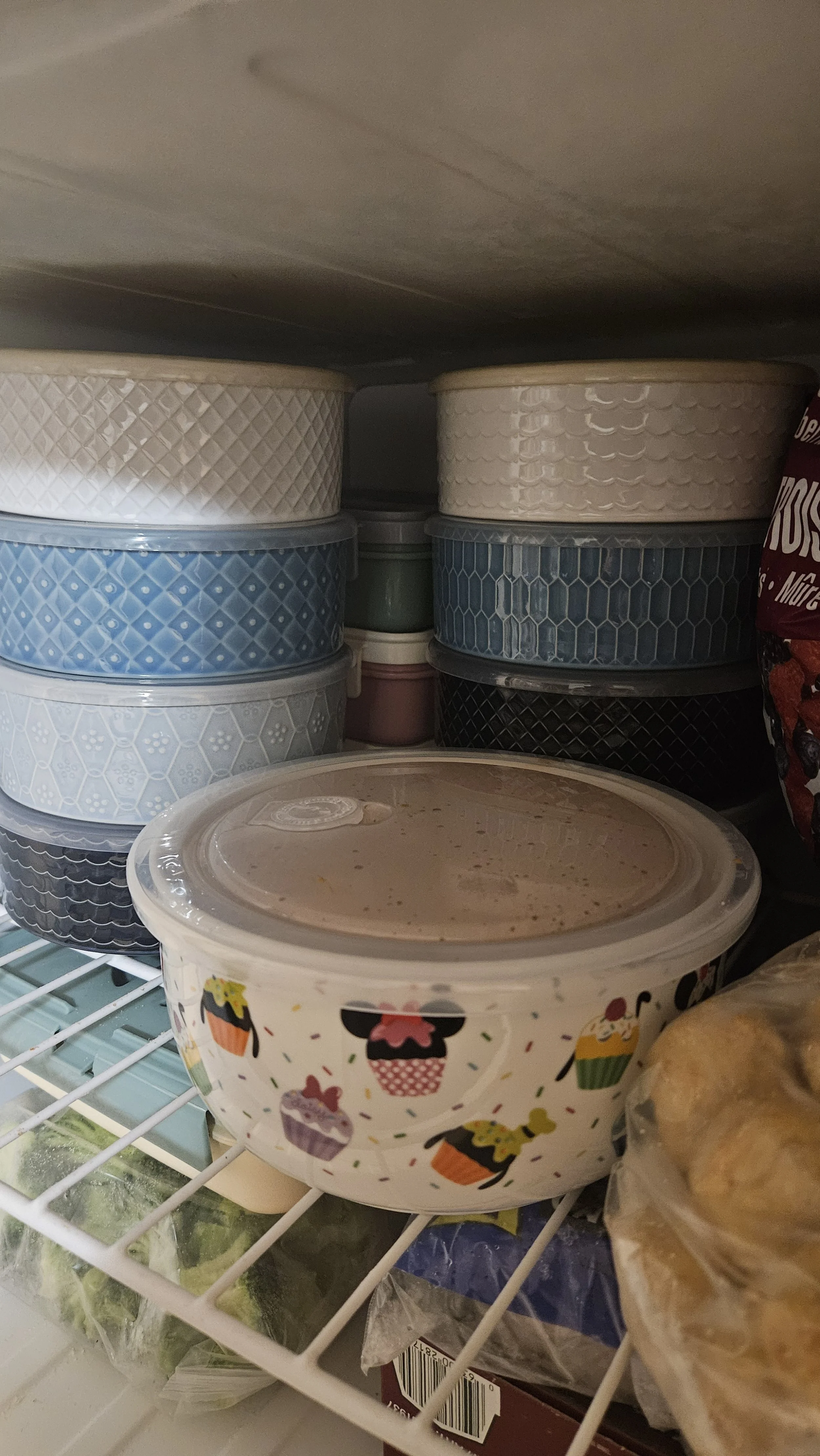
I put the chilli into meal prep bowls I got from Costco and freeze them for up to two weeks. Remember to take the chilli out and put into the fridge the day before you are going to eat it.
When researching this article, I came upon some information about food hyperfixation, and while I knew I had a problematic relationship with food, I now have a definition:
"Food hyperfixation, eating the same meal, snack, or brand over and over, is common for Autistic people. It’s often about sensory safety, routine, and predictability" (Wilkins).
Before I realized I could eat my chilli, or my homemade butter chicken, every day, I found my food hyperfixation focused on pizza, burgers, and other junk food. It took a lot of self discovery to find healthier foods I could fixate on. Unfortunately, most of those healthier options require enough energy to prepare them. Meal prep can help, but if I can't build up the energy to do it, it's far too easy to just have a burger.
Executive Functioning
There are plenty of days where I don't want to cook. I don't have the luxury of succumbing to my executive disfunction because I have kids who need to eat healthy, home-cooked meals at least some of the time—I strive for most of the time. I don't really like using the word luxury there, but it's true—on pizza days, I get a break. And it's really nice.
I find that with meal prep, it helps a lot to start a new batch before running out of what I have in the freezer. If I do 12 bowls of chilli, I'll start prepping butter chicken when I have two to three left. This gives me a window of two days where if I don't feel like cooking, there's always tomorrow.
Lydia Wilkins describes the process of cooking as, "… Never one task. It’s dozens, layered on top of each other. Plan, prep, clean, sequence, remember, shift, re-plan, regulate" (Wilkins). This process can be quite daunting, but in my case there are some high points. I love the cleaning part and the eating part. I love seeing 12 bowls of food lined up on my counter—a visual reward for all the hard work. When I'm struggling to motivate myself to cook, I think about the things I like about cooking.
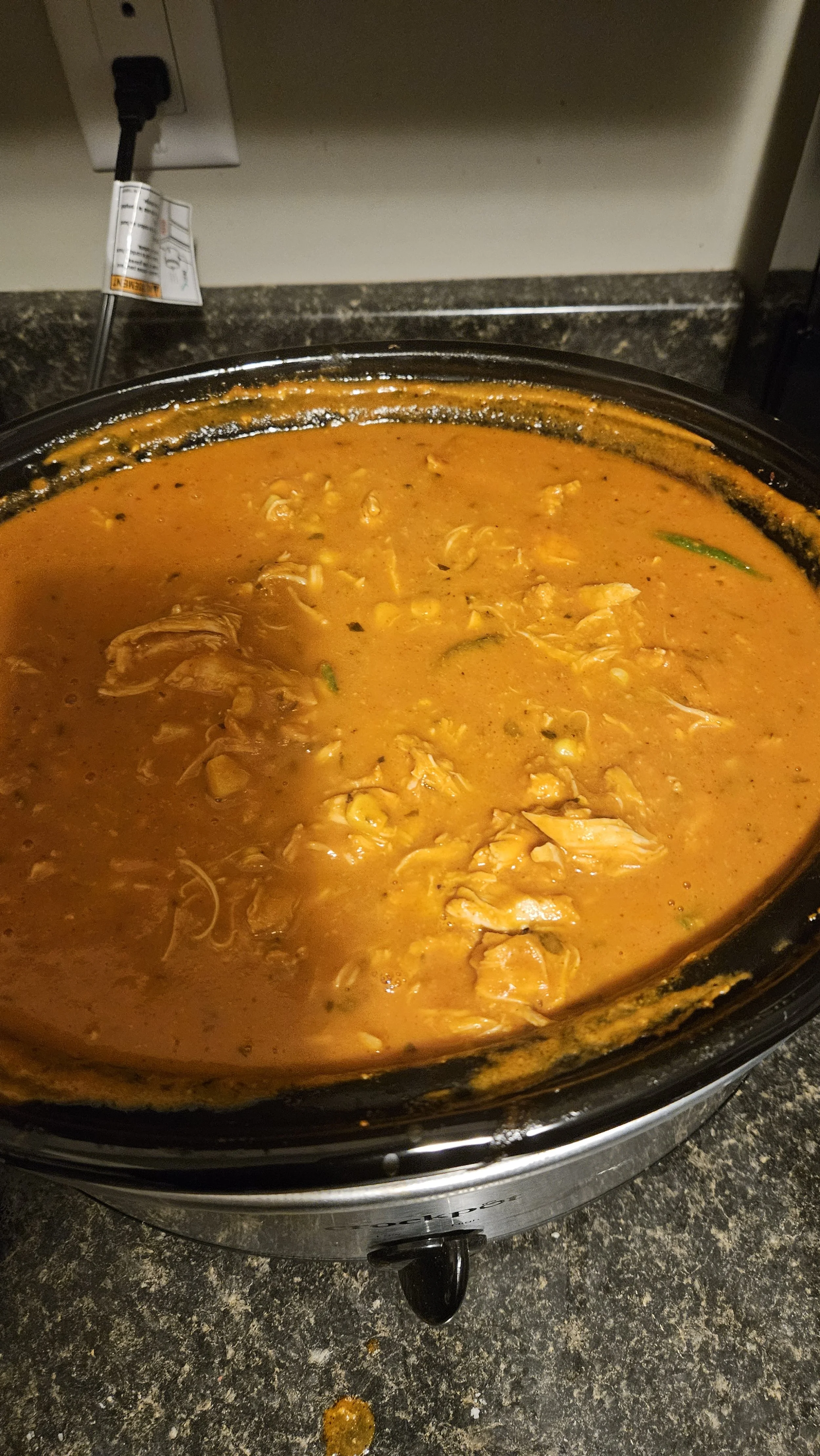
I meal prep a lot of chilli and butter chicken. Chilli is an opportunity to try new beans, while butter chicken is an opportunity to try new vegetables. I recently experimented with potato and green beans. The beans were a bit of a miss, but the potato added a really nice creaminess to the sauce. Potatoes are a lot of work, though.
One of the concepts of healthier eating that I really enjoy is, "add, don't subtract." I once tried to meal prep chicken alfredo penne by substituting cottage cheese and greek yogurt for the cream and parmesan in alfredo. What a disaster. It was bitter, sour, not creamy at all. I ended up throwing it out. Instead, by the concept of "add, don't subtract," I add vegetables, either on the side or in the sauce. Spinach, corn, and green peas work really well in the sauce, while steamed broccoli and cauliflower work great on the side. By adding the vegetables, I have less of the heavy cream, cheese, and pasta. But, I still get to eat food that I enjoy.
Another meal prep disaster was when I tried to meal prep copycat Domino's stuffed cheesy bread. When I baked it in the toaster oven at work, the dough wouldn't fully cook before it burned, so I ended up eating a lot of raw, burnt dough. I still ate it, because I didn't have the energy to prep something else that week. "And for many Autistic people, it’s about survival, not aesthetics" (Wilkins).
If you struggle with coming up with recipe ideas, there are some great resources online for autistic and sensory-friendly recipes.
Mix 'n' Match
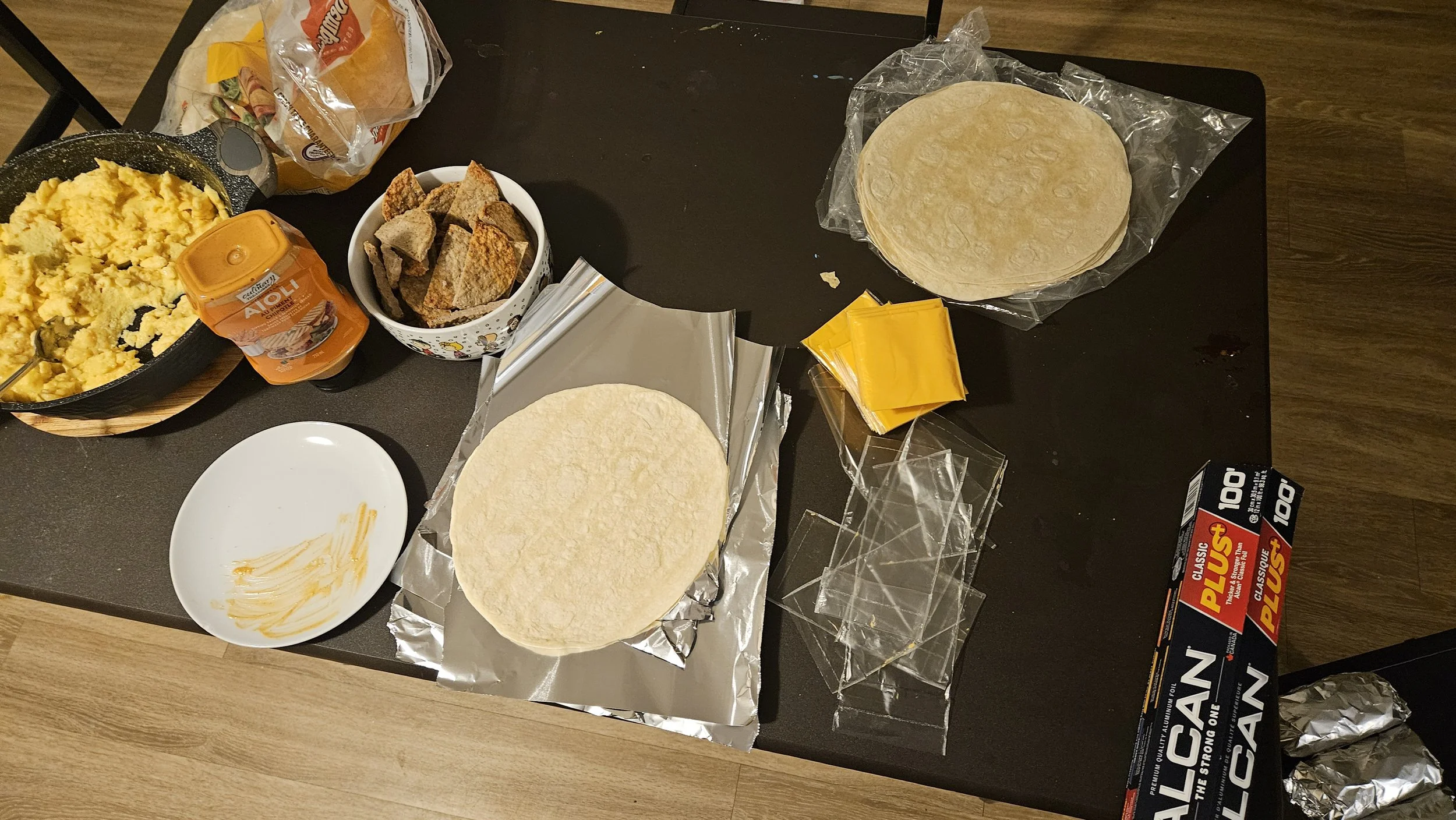
When I prep breakfast sandwiches, I like bacon, egg & cheese or sausage, egg & cheese. To add a little variety, I'll use two different cheeses in addition to two different meats. So maybe one day is bacon, egg, & cheddar. Another day is sausage, egg & swiss. I wrap them without labels so I never know what I'm going to get. I also make sure one or two have both bacon and sausage, and call those "treasure sandwiches."
Both my butter chicken and chilli recipes work as one-pot recipes. One-pot recipes simplify a lot of steps and make clean-up easier. Other blogs have made similar recommendations: "So can using simple techniques like making one-pot or freezer-friendly meals in advance" (Laube)
When I make butter chicken, I usually put all the same vegetables in the batch. But I change the starch, since I usually prepare that on the day I eat. So on Monday, I'll have butter chicken on rice. On Tuesday, it's butter chicken on naan. And on Wednesday, it's butter chicken penne. I find it too difficult to mix and match proteins—so I don't prepare some chilli and some butter chicken. I usually only have the energy to prepare one thing—so I just eat the same thing for two weeks.
Stash of Non-Perishables
Although we should all probably be eating less packaged, boxed food, it definitely has a place in the autistic kitchen. I am a big fan of Kraft Dinner, frozen chicken burgers, frozen burritos, frozen pizza, ramen, and Hamburger or Tuna Helper. These ten-minute treats can prevent me from eating fast food, so in the grand scheme of healthier eating, they are helping. Like before, add, don't subtract. It's not about never having Kraft Dinner again, it's how can you make it better for you? I don't like to mess with my Kraft Dinner, so I'll usually have steamed vegetables either before or after to offset the health cost of the food. And I'm not the only one who likes Kraft Dinner.
Canned soup and chilli is also great, and even things like TV dinners or other frozen meals can fit into an otherwise mostly healthy diet.
Celebrate Your Wins
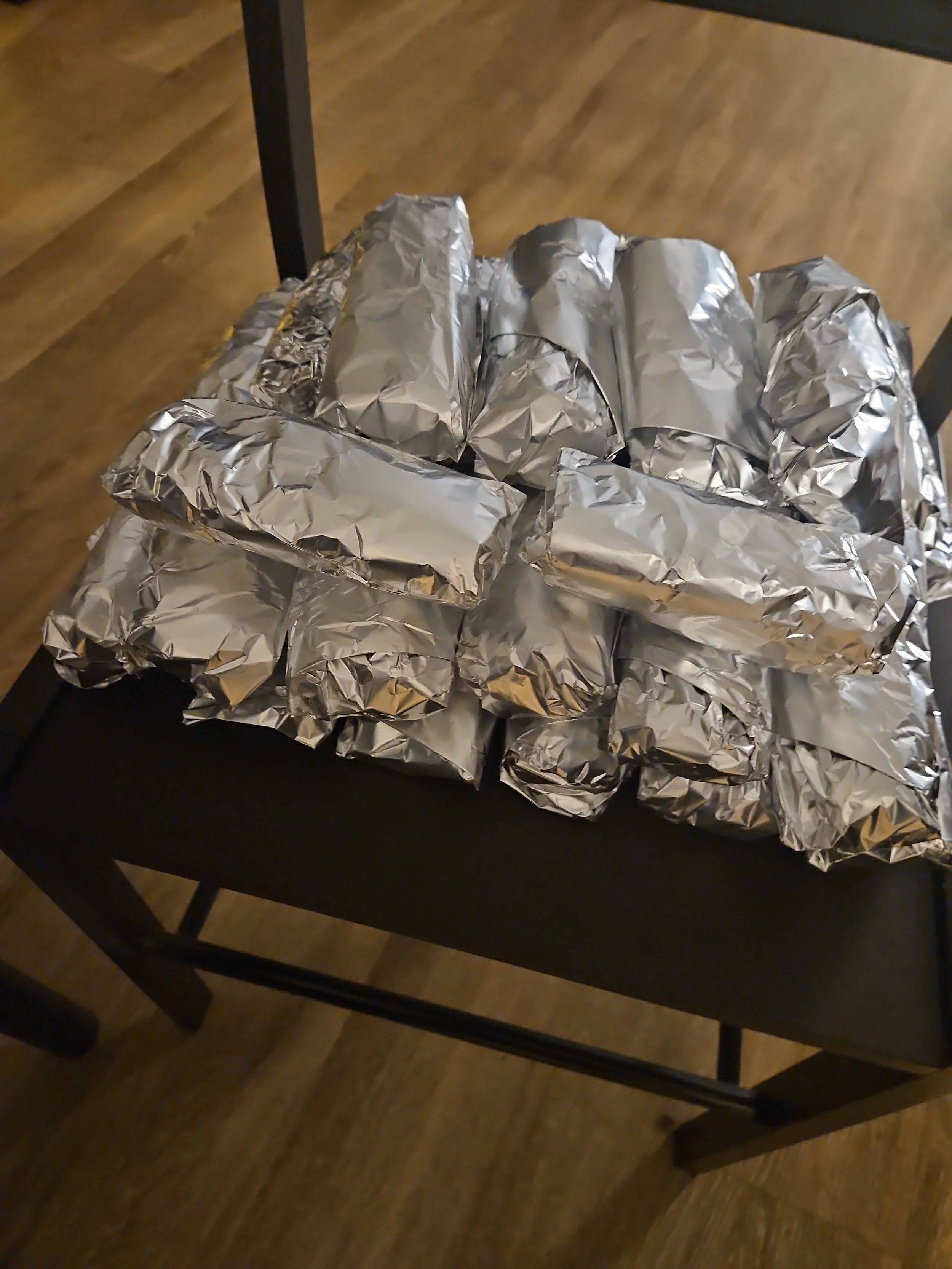
It's important to recognize when you've done well. Often, my celebration is to eat some of the food I've prepared for the weeks ahead while it's fresh. So I'll prep 12 bowls of butter chicken, but I'll eat one after the work is done, freezing the remaining 11. Or, if I have leftover eggs, I'll make one super sandwich and eat that once the rest are wrapped.
No matter how you celebrate positive achievements, make sure you do. Your reward of having healthy, delicious food every day is great, but if you don't find a way to capitalize on the positivity you generate from the meal prep, you're at risk of wasting valuable resources that you could bank for later in the day. Got a phone call and that kind of sucked? Hey, at least you meal prepped butter chicken today, you superstar. Ride that wave through all the phone calls.
References
Wilkins, Lydia, “Making the kitchen more accessible when you’re Autistic.” Dec 1, 2023. Tiimo App. Accessed Oct 29, 2025.
Laube, Aly. “Cooking tips for autistic adults.” Jun 25, 2024. AutismBC. Accessed Oct 29, 2025.
